

Symbols
of the Apostles
The Symbols of the Twelve Apostles are one way the church has passed on the faith. Their lives inspire us to follow in the footsteps of Christ. We imitate them in the same way that they imitated Christ. The church assists us in remembering their stories by assigning Symbols of the Apostles, and the symbols remind us of that disciple’s life. They are a church treasure that allows us to learn more about our history.


The symbols of the ApostlesVamos investigar os símbolos que a igreja concedeu aos doze apóstolos e ver como eles ajudam em nosso entendimento de nossa fé. Os símbolos dos 12 apóstolos são uma maneira pela qual a igreja transmitiu a fé. Suas vidas nos inspiram a seguir os passos de Cristo. Nós os imitamos da mesma forma que eles imitaram a Cristo.
- Apóstolo Pedro (duas chaves cruzadas)
- Apóstolo André (Peixe em uma cruz)
- Apóstolo Tiago, o Maior (Stalt e Vieira)
- Apóstolo João (cobra em um cálice)
- Apóstolo Filipe (cesta, cruz e lança)
- Apóstolo Bartolomeu (Bíblia e uma faca esvoaçante)
- Apóstolo Mateus (3 sacos de dinheiro)
- Apóstolo Tomé (quadrado de carpinteiro, pedras, flecha e lança)
- Apóstolo Tiago Menor (pedras e serra)
- Apóstolo Simão (peixe na Bíblia)
- Apóstolo Judas, navio (considerado pescador), cajado (missionário, peregrino), régua)
- Apóstolo Matias (Bíblia e Cimitarra)
- Símbolos Resumidos dos Apóstolos
- FAQ: The Twelve Apostles
- Recursos Símbolos dos Apóstolos
The church assists us in remembering their stories by assigning symbols to each of the apostles, and the symbols remind us of that disciple’s life. They are a church treasure that allows us to learn more about our history. Let us investigate the symbols that the church bestowed upon the twelve apostles and see how they aid in our understanding of our faith. You will see that many of the symbols give clues to how the Apostles died.
Let us dive into the Symbols of the Apostles with explanations. Find the catholic saints’ symbol images for each apostle.

Emblem Saint PeterApóstolo Pedro (duas chaves cruzadas)
O emblema de Pedro mostra duas chaves cruzadas, que representam a confissão de fé fundadora da Igreja:
“You are the true Christ, the Son of the living God” (Matthew 16:16)
Qualquer pessoa que possua a mesma fé queSão Pedro expressed so clearly and firmly has the keys to entering the Realm of God. The inverted cross represents how, during his crucifixion, Peter asked that his head be placed where his Master’s feet were nailed
Saint Peter Quick Fact: answered Jesus that he was Christ, the son of the living God. He is the rock upon which Jesus would build his Church

Saint Andrew LogoApóstolo André (Peixe em uma cruz)
Santo Andréacompanhou seu irmão Pedro a Jesus. O peixe revela que ele fez a transição de sua ocupação anterior como umfishermana sua maior vocação como pescador de humanidade.
The saltire cross, also known as St. Andrew’s Cross, is the traditional form of the cross on which he was crucified after preaching the Gospel in Greece.
Saint Andrew Quick Fact: Andrew was Peter’s brother, brought him to Jesus Christ & he recognized Christ at first sight.

Emblem Saint James the GreaterApóstolo Tiago, o Maior (Stalt e Vieira)
Em sua pregação e ensino,Saint James the Greatercaminhei muito. O stalt, que pode ser visto em seu emblema, era usado em suas peregrinações.
A vieira em exibição era um prato simples com inúmeras aplicações. O rei Herodes executou James com uma espada que parece cruzar o bastão. Tiago era tão ativo e corajoso que, mesmo após sua morte, seu acusador se converteu ao cristianismo.
Saint James the Greater Quick Fact: part of the prominent group (Peter, James, John). He was present at Jairus’ daughter’s rising, transfiguration, and the Agony in the Garden.

Emblem Saint JohnApóstolo João (cobra em um cálice)
De acordo com a lenda, foi feito um atentado contra a vida de John colocando veneno em seu cálice.São João was the only one of the 12 to live to a ripe old age and die naturally. He is remembered as a beloved disciple who was close to Jesus and who looked after Jesus’ mother,
Saint John Quick Fact: was the first to see the grave & believe Jesus had risen, one of the 7 disciples who saw Jesus at the shore. His close relationship with God earned him the name “the disciple whom Jesus loved”.

Symbol Saint PhilipApóstolo Filipe (cesta, cruz e lança)
A cesta emSão Filipeo emblema representa a alimentação da multidão, o que era uma grande preocupação dele.
A cruz e a lança Tau representam a maneira como ele deu sua vida por Aquele que é o Pão da Vida.
Saint Philip Quick Fact: a disciple of John the Baptist, one of the Apostles. Mentioned only in New Testament in John, called by Jesus and brought Nathaniel/Bartholomew.

Symbol Saint BartholomewApóstolo Bartolomeu (Bíblia e uma faca esvoaçante)
The Bible and a flaying knife are signs of São Bartolomeu. Ele tinha fé firme na palavra de Deus, que pregava livremente. Ele conheceu seu martírio sendovoou vivo.
Saint Bartholomew Quick Fact: also known as Nathaniel, converted Polymius to the King of Armenia.

Emblem Saint MatthewApóstolo Mateus (3 sacos de dinheiro)
O emblema paraSão Mateus, the former tax collector, depicts three purses, a nod to his previous occupation
O machado de batalha com o qual ele foi morto também é retratado.
Apostle Matthew Quick Fact: invited Jesus for supper at his house with sinners and tax collectors, “I came not to call the just, but sinners.

Symbol of Saint ThomasApóstolo Tomé (quadrado de carpinteiro, pedras, flecha e lança)
São Tomé‘s emblem includes a carpenter’s square.
De acordo com a lenda, ele construiu uma igreja na Índia enquanto realizava seu ministério lá. As rochas, flechas e lanças também retratadas contam a história de uma morte dolorosa, mas valente.
Saint Thomas Quick Fact: known as doubting Thomas.

Apóstolo Tiago Menor (pedras e serra)
São Tiago Menorera um irmão de Jesus.
Embora pouco se saiba sobre ele devido à sua natureza retraída, sabe-se que ele pregou por toda Jerusalém até ser apedrejado até a morte e seu corpo ser serrado ao meio, daí as pedras e serras em seu emblema.
Saint James the Less Quick Fact: author of the first Catholic epistle, son of Alphaeus and Mary, brother of the Lord, a witness of Resurrection, pillar of the Church.

Symbol Saint SimonApóstolo Simão (peixe na Bíblia)
São Simão, o Zelote was the inspiring companion of Jude and was martyred in Persia on a missionary journey.
Um pescador implacável da humanidade através do poder do Evangelho, Simão é simbolizado por um peixe na Bíblia.
Saint Simon the Zealot Quick Fact: he sometimes called Simon the Zealot because of his zeal for the Mosaic law.

Emblem Saint JudeApóstolo Judas, navio (considerado pescador), cajado (missionário, peregrino), régua)
Um navio com uma cruz nas velas simboliza o heróico Jude em expedições missionárias acompanhado por seu amigo Simon.
São Judas is sometimes known as Thaddaeus or Lebbaeus
Saint Jude Quick Fact: sought in desperate situations, letter in New. Testament, patron saint of desperate cases & hopeless causes.

Symbol Apostle MatthiasApóstolo Matias (Bíblia e Cimitarra)
Os apóstolos escolheramSão Matias to take the place of Judas the traitor. Matthias was well-versed in the scriptures, as evidenced by the Bible depicted in his emblem. After a fearless service as a missionary in Judea, he was beheaded with a scimitar, which is also depicted on the emblem.
Saint Matthias Quick Fact: he was with Jesus since baptism by John the Baptist. Replaced Judas the traitor (either him or Barsabas) and became associated with the eleven apostles.
Símbolos Resumidos dos Apóstolos
Os cristãos sempre usaram símbolos para nos ajudar a entender a fé. Temos uma longa história de belas imagens com significados significativos, e muitos de nós não as entendemos.
O simbolismo dos santos cristãos tem sido usado desde o início da religião. Diz-se que cada santo viveu uma vida exemplar e os símbolos foram usados para contar suas histórias ao longo da história da Igreja.
A iconografia é o estudo deles na história da arte. Eles foram usados especialmente para ajudar os analfabetos a reconhecer uma cena e para dar a cada um dos santos uma personalidade artística.
FAQ: The Twelve Apostles
Who were the Twelve Apostles?
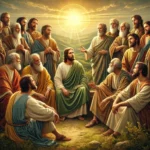
The Twelve Apostles were the primary disciples of Jesus Christ, chosen by him to preach the Gospel and establish his Church.
They played a pivotal role in the early spread of Christianity.
What are the symbols associated with each Apostle and what do they represent?

Each Apostle is traditionally associated with a symbol that reflects their life, ministry, or martyrdom. For example:
Peter: Crossed keys, symbolising the authority given to him by Jesus to lead the Church.
Andrew: Saltire cross (X-shaped), the type of cross on which he was martyred.
James the Greater: Scallop shell, a symbol of pilgrimage, as he is believed to have preached in Spain.
John: Eagle, representing his soaring theological insights in his Gospel and Revelation.
Philip: Basket of loaves, recalling his role in the feeding of the 5,000.
Bartholomew: Flaying knife, the instrument of his martyrdom.
Matthew: Three money bags, representing his former profession as a tax collector.
Thomas: Carpenter’s square, possibly symbolising his role in building the early Church.
James the Less: Fuller’s club, a tool used for beating cloth, possibly signifying his role in disciplining the early Church.
Simon the Zealot: Saw, the instrument of his martyrdom.
Jude Thaddeus: Ship, symbolising the spread of the Gospel.
Matthias: Axe or lance, representing his role as a warrior for Christ.
What are some of the key events in the lives of the Apostles?

The Apostles witnessed many significant events during Jesus’ ministry, including his miracles, teachings, crucifixion, and resurrection. After Pentecost, they were empowered by the Holy Spirit to preach the Gospel boldly. Some key events include:
Peter’s confession of Jesus as the Messiah.
James the Greater’s martyrdom by Herod.
John’s exile to the island of Patmos.
Thomas’ initial doubts about the resurrection.
Paul’s conversion and his extensive missionary journeys.
What is the significance of the “Labors of the Apostles”?

The “Labors of the Apostles” refers to the missionary journeys and work undertaken by the Apostles after Jesus’ ascension. They travelled extensively, spreading the Gospel, establishing churches, and facing persecution. These labors were instrumental in the growth of early Christianity.
Are there common names today that are derived from the Apostles?

Yes, many common names are derived from the Apostles’ names. For example:
John: Giovanni, Johannes, Ian, Evan, Ivan, Jean, Sean, Shawn.
James: Jim, Jacques, Jacob, Jakob, Seamus, Giacomo.
Joseph: Guiseppe, Iosif, Josef, Jose, Osip.
What is the role of iconography in understanding the Apostles?
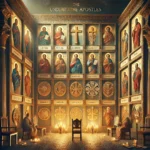
Iconography, the study of religious images and symbols, helps us to identify and understand the stories of the Apostles.
Their symbols, often depicted in art and sculpture, serve as visual reminders of their lives and ministries.
What are some resources for learning more about the Apostles?

The New Testament: The Gospels and the Acts of the Apostles provide detailed accounts of the Apostles’ lives and ministries.
Websites and online resources: Many websites offer information about the Apostles, their symbols, and their significance in Christian history.
Books and scholarly articles: Numerous books and articles delve into the history, theology, and impact of the Apostles.
Why are the Apostles still relevant today?

The Apostles’ lives serve as examples of faith, courage, and dedication to Christ. They remind us of the importance of spreading the Gospel, serving others, and remaining faithful in the face of adversity.
Their stories continue to inspire and challenge Christians today.
Recursos Símbolos dos Apóstolos
https://onedaysgrace.co.nz/blogs/news/symbols-of-the-12-apostles
https://quizlet.com/10956929/the-12-apostles-symbols-and-quick-facts-flash-cards/
https://ourlordstyle.com/blogs/christian-writings/classic-christian-symbols-and-their-meanings-the-twelve-apostles